


Artificial intelligence becomes part of education
Artificial intelligence is rapidly becoming part of the modern education environment. Just a few years ago, AI was used mainly to search for information. Today it helps teachers create learning materials, supports students during the learning process and becomes an intelligent assistant available at any time.
From explanations to full learning support
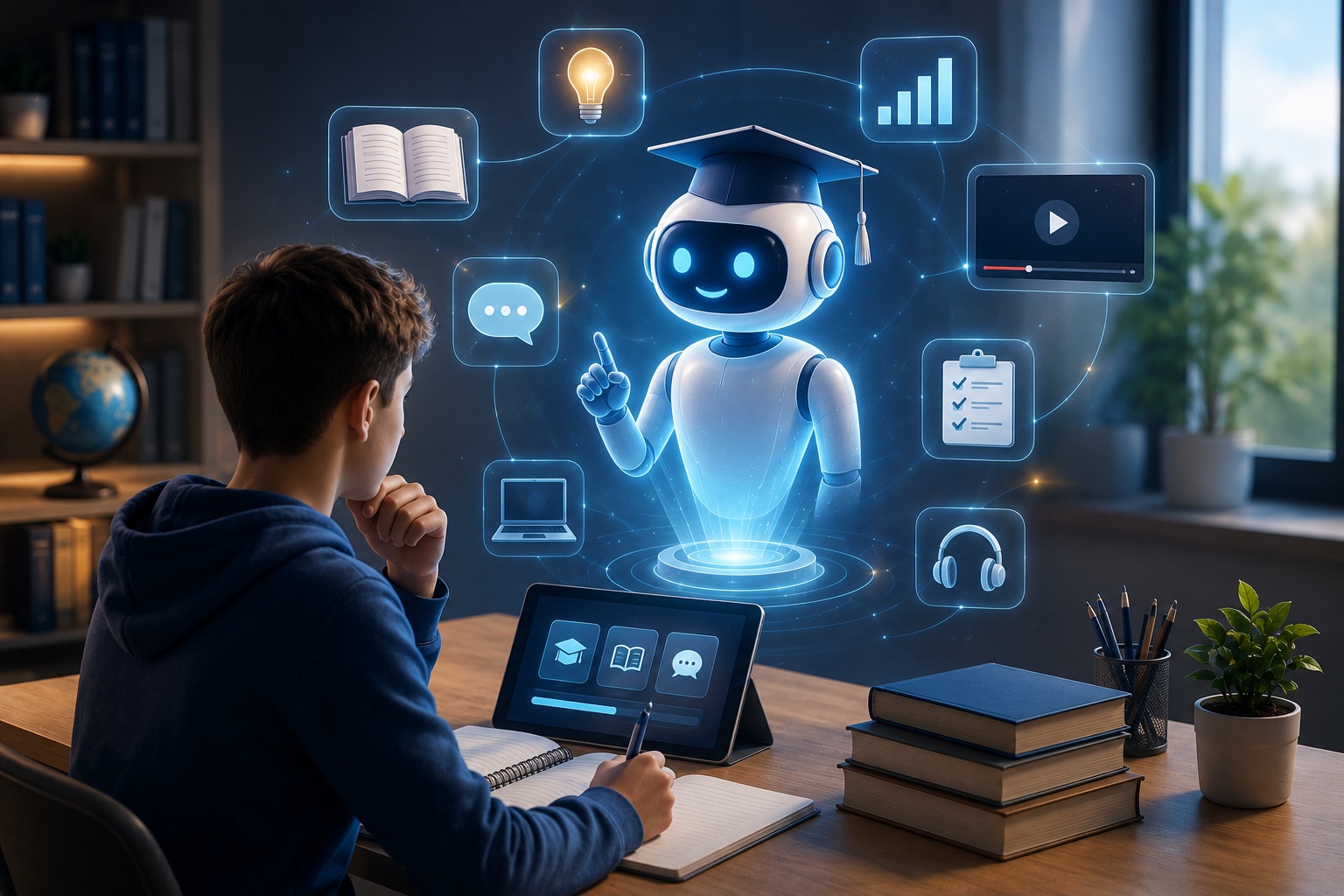
Modern AI chats can explain complex topics in simple words, answer questions, choose examples, help with assignments and adapt explanations to the user's level of preparation. This makes learning more accessible and allows students to study at their own pace.
AI also opens new possibilities for teachers. It helps prepare lesson plans, create tests and exercises, build presentations, check texts, generate practical assignments, translate materials into different languages and organize information. Many tasks that previously took hours can now be completed much faster.
AI supports the student throughout the course
AI is not limited to creating materials. Modern technologies can support the student throughout the entire learning process. Artificial intelligence can answer questions, suggest additional exercises, explain mistakes, motivate students to continue and help them consolidate what they have learned. This makes distance learning much more effective.
Despite the impressive capabilities of modern AI chats, most of them use a universal knowledge model. They answer questions based on a huge volume of public information, but they do not know the specifics of a particular course and do not follow the teacher's methodology. As a result, their answers may differ from the course logic or go beyond the curriculum.
Custom AI agents inside iEdemy
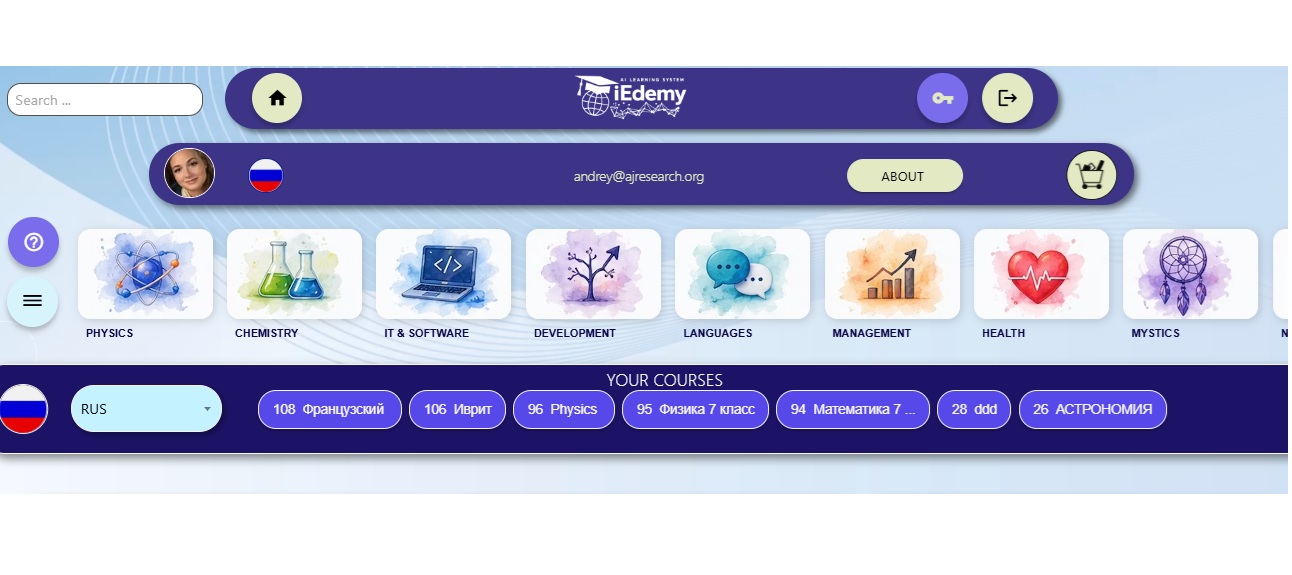
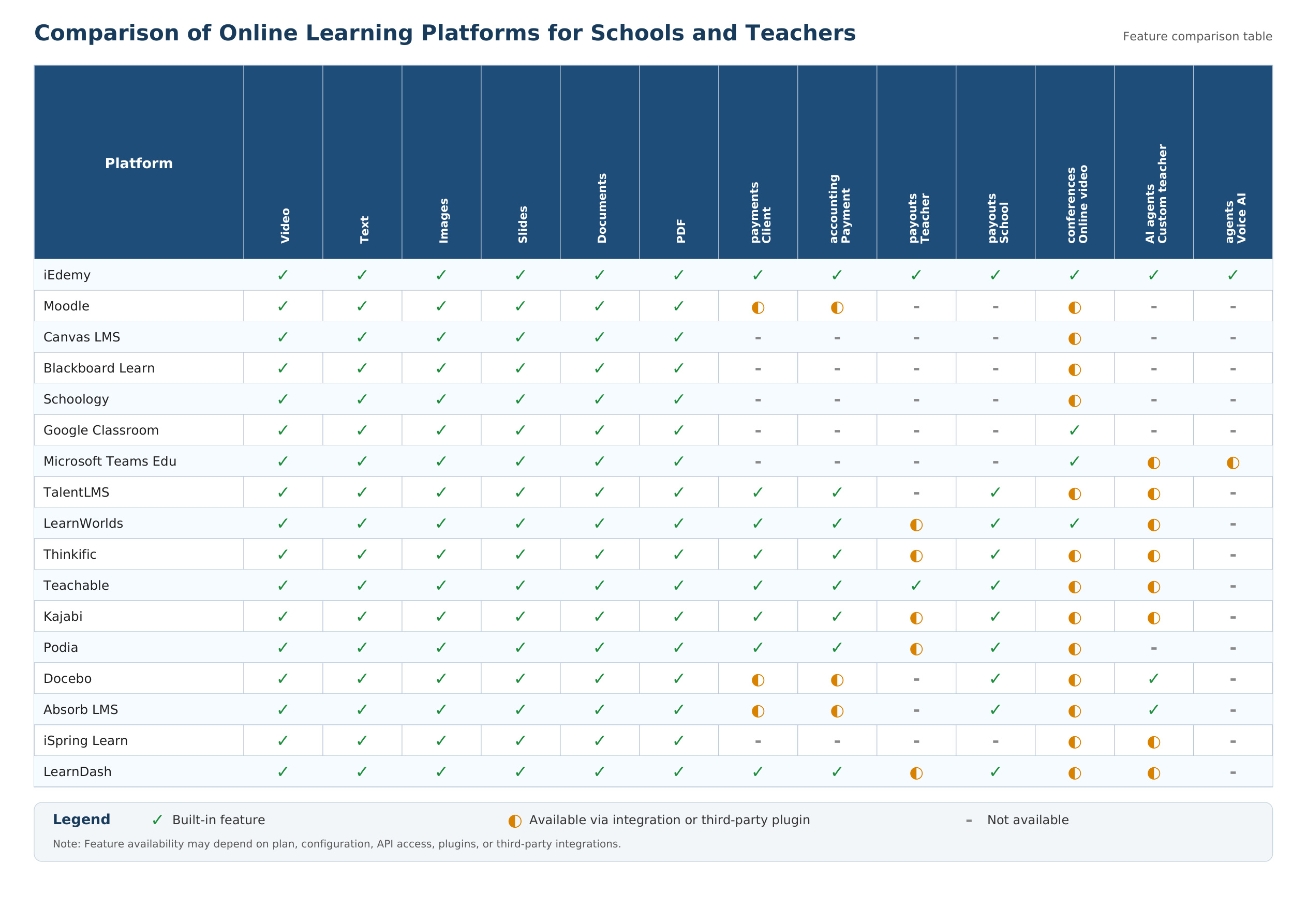
Among the platforms included in our research, only iEdemy provides the ability to create fully custom AI agents that work with course materials, use the teacher's exercises and follow the selected teaching methodology.
Unlike universal AI services, iEdemy creates custom AI agents configured specifically for each course. During setup, the AI receives the teacher's materials: texts, presentations, video lectures, reference materials, dictionaries, assessment criteria and other educational resources. This allows the agent to work strictly within the selected learning program.
The teacher's methodology inside the AI agent
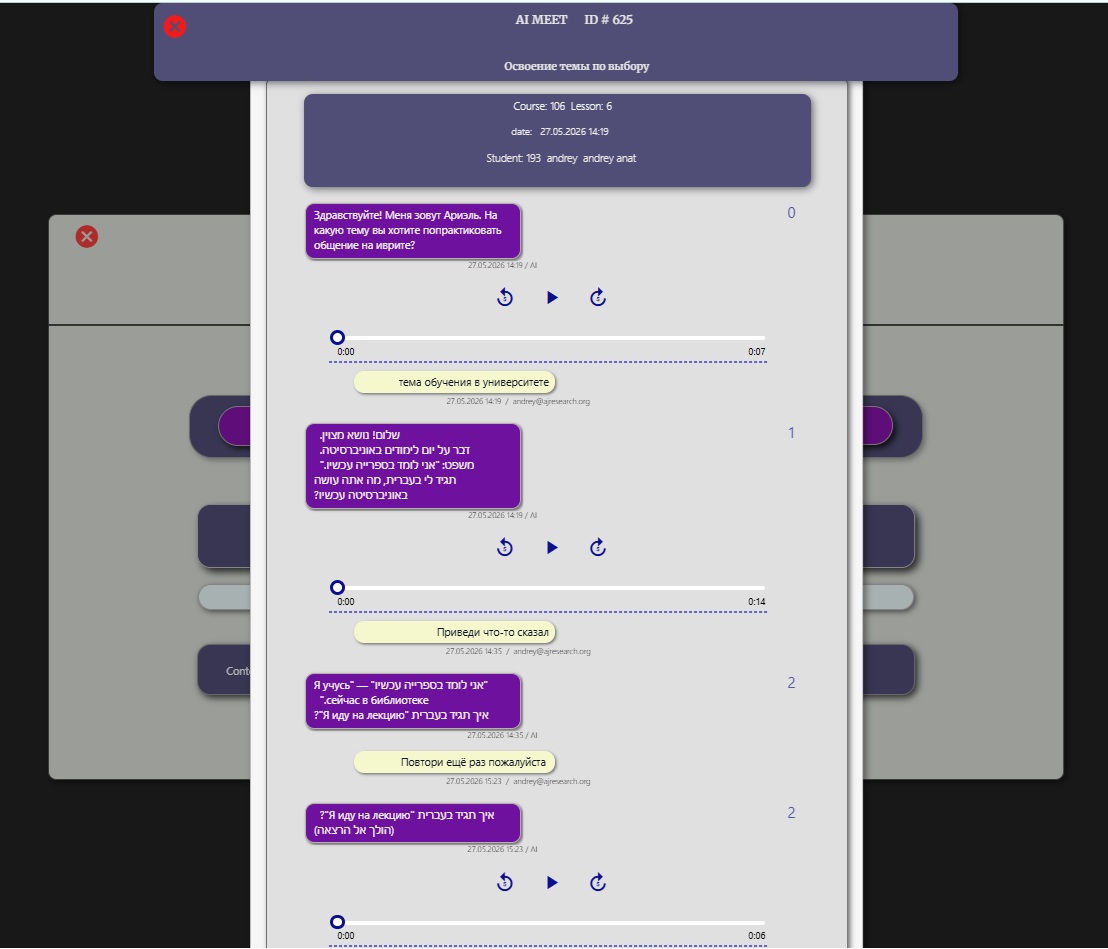
The key feature is not only the use of course materials. In iEdemy, the teacher can configure the methodology of the AI agent itself. Artificial intelligence can use exactly the exercises, assignments and explanation methods developed by the course author.
It follows the sequence of topics, respects the chosen learning system, asks the questions included in the program, conducts practice exercises and evaluates answers according to the criteria defined by the teacher.

A virtual assistant for the teacher
In practice, AI becomes a virtual assistant for the teacher, working according to the same principles as the course author. At the same time, the teacher keeps full control over the learning content and can update materials, add exercises or change the AI agent's methodology at any time. After the course is updated, the AI immediately starts using the new information.
This approach opens new opportunities for educational organizations and online course authors. Instead of a universal chatbot, the student receives a personal AI tutor that knows the exact learning program, helps with difficult topics, provides additional practice and supports learning at any time of day.
A new role for AI in digital education
Artificial intelligence does not replace the teacher - it significantly expands the teacher's capabilities. The next stage in digital education is specialized AI agents that work according to a specific learning program, use the author's methodology and help every student move forward at an individual pace. This is the approach behind iEdemy, where modern AI technologies become a natural part of the educational process.